Landscape Lighting Design: How to Create a System That Looks Better, Lasts Longer, and Gets Used Every Night

Good landscape lighting is not about adding more fixtures.
It is about intention.
Whether you are a homeowner investing in your property or a contractor designing a system, the difference between average lighting and professional lighting comes down to design discipline, system planning, and understanding how people actually live in their space.
Because when lighting is done right, you are not just installing fixtures.
“There’s a huge difference between selling fixtures and changing lives.”
Mark Stansec, Alpine Edge Landscape Lighting
Here is how experienced designers approach landscape lighting so it performs, looks great, and holds up for years.
Start With the Structure, Not the Yard
The biggest visual impact always comes from the home itself.
If the house disappears at night, nothing else matters.
Prioritize lighting in this order:
- House facade and architectural features
- Steps, elevation changes, and safety areas
- Backyard trees and outdoor living spaces
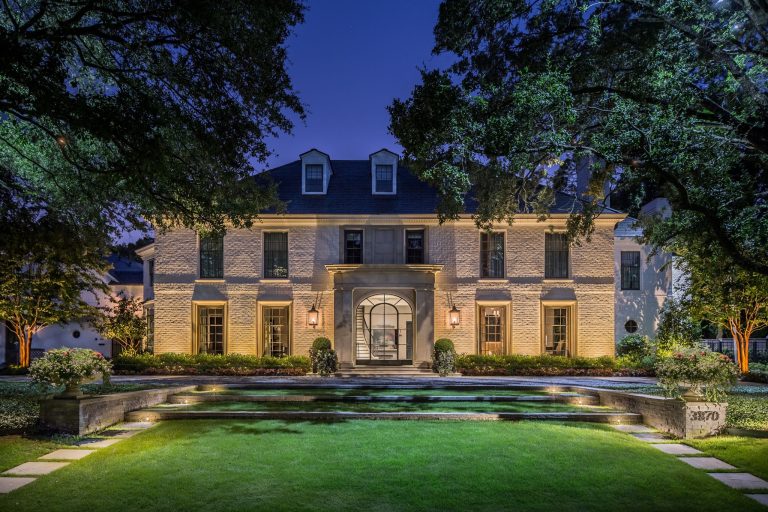
Highlight stone, columns, textures, and entry points first. Once the structure is defined, landscape lighting becomes the accent that adds depth and character.
Think of the property like a blank canvas.
“We start with a black canvas, and as the designer, we choose what to paint with light.”
Elizabeth Beltran, Stirling Electric and Irrigation
The Biggest Design Mistake: Too Much Light
Most systems fail because they are too bright.
Overlighting creates:
- Harsh glare
- Flat, washed-out surfaces
- No contrast or visual interest
Professional lighting follows one simple principle:
Less is more.
Good design uses restraint. Some areas should be highlighted. Others should stay darker. That contrast is what creates depth and a high-end look.
If everything is bright, nothing stands out.
Layering Is What Makes Lighting Look Professional
One of the most overlooked design techniques is layering.
Instead of using the same fixture and brightness everywhere, a well-designed system uses:
- Different beam spreads
- Different light levels
- Selective placement to create depth
- Thoughtful use of color temperature when appropriate
Layering creates dimension and movement through the space. Without it, the property looks flat and one-dimensional.
Quality Systems Are Built for Service, Not Just Installation
Design is not only about what looks good tonight. It is about how the system performs and how easy it is to maintain years from now.
A professional system includes:
- Heavy-gauge direct-bury wire
- Proper voltage planning
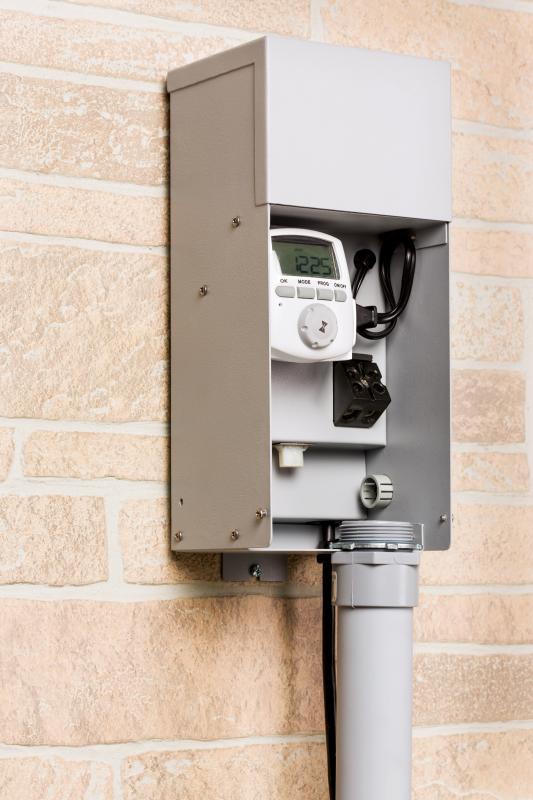
- Individual runs from the transformer to hub locations
- Clearly separated zones
One of the biggest installation mistakes is running multiple zones on a single long wire run. When a short occurs, troubleshooting becomes time-consuming and expensive.
Running dedicated lines to hub connections makes the system serviceable, expandable, and reliable.
That level of planning is what separates professional lighting from basic installations.
Always Design for Expansion
Here is something every experienced designer knows:
Lighting is addictive.
Once homeowners see the transformation, they almost always want more.
That is why systems should always be built to grow:
- Size transformers with extra capacity
- Leave room for additional zones
- Plan wire pathways for future fixtures
If budget limits the initial scope, complete the highest-priority areas first. Then add additional layers over time.
Designing for expansion protects the investment and prevents costly rework later.
Design Around How People Actually Live
The biggest benefit of landscape lighting is not curb appeal.
It is usability.
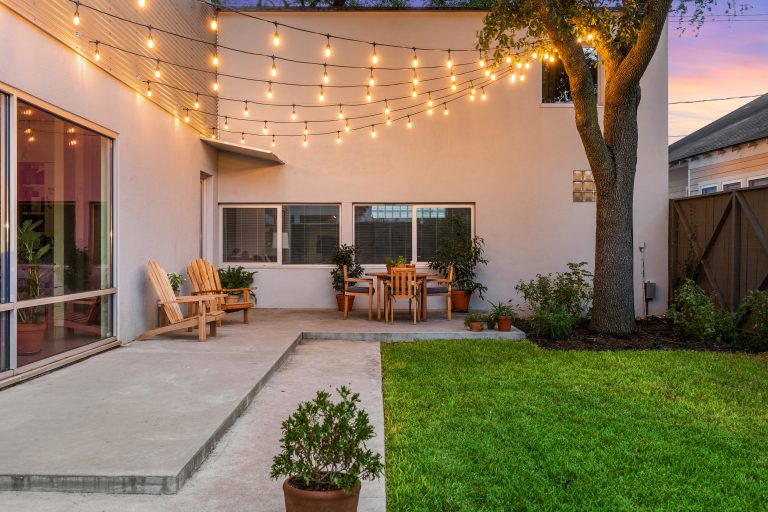
After installation, most homeowners report they use their outdoor space significantly more after dark. Patios, yards, and gathering areas become functional and inviting instead of disappearing into darkness.
Lighting improves:
- Safety and visibility
- Comfort and relaxation
- Outdoor entertaining
- Everyday use of the property
This is why landscape lighting continues to grow as an investment category.
“Landscape lighting is the most profitable sector in the green industry when it’s done right.”
Bryan Daniel, Denver Landscape Lighting
For homeowners, that value shows up in daily lifestyle improvements. For contractors, it shows up in long-term client relationships and repeat work.
The Real Goal of Landscape Lighting
Great landscape lighting is not about brightness.
It is not about fixture count.
And it is definitely not about lighting everything.
The goal is to:
- Highlight architecture
- Create depth and contrast
- Improve safety and function
- Build a system that lasts and grows
- Make the space enjoyable every night
When those elements come together, the result is simple.
The property does not just look better.
It gets used more.